






















Mostrando el único resultado

- Control de Tiempo y Asistencia
-
- Autenticación
-
-
Dispositivos de autenticación
-
-
- Creación de redes
-
- Servicios
-
- Marcas
- Noticias
-
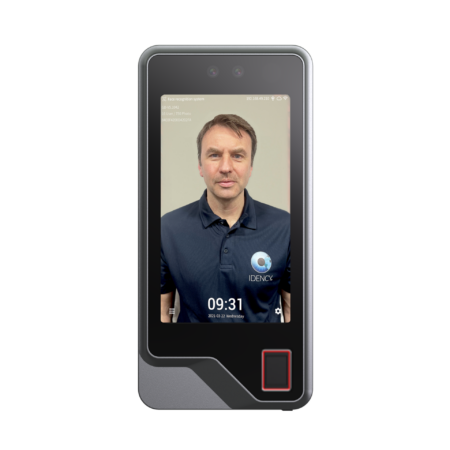
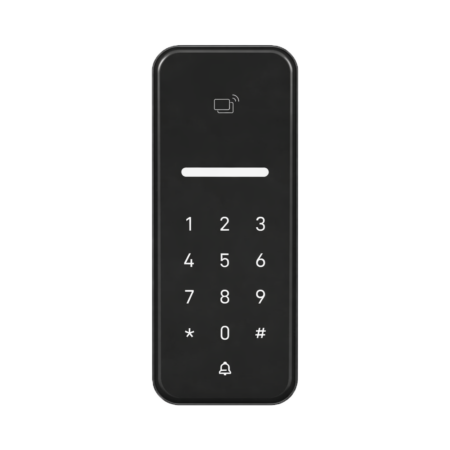




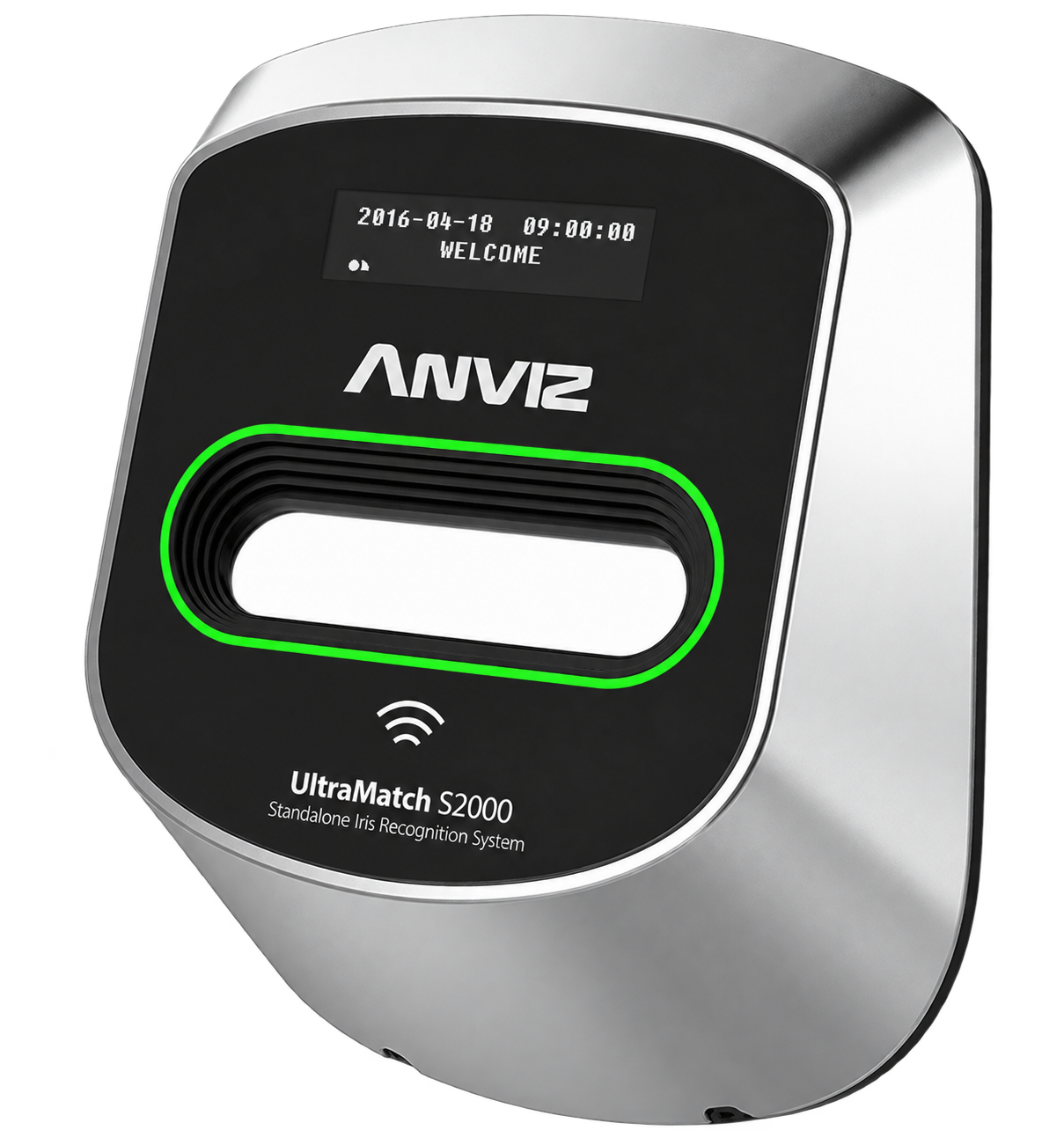
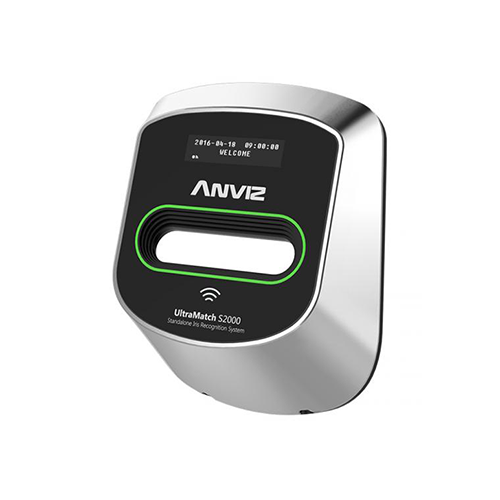
Control horario biométrico sin contacto con el mayor nivel de precisión disponible
El reconocimiento de iris es el método biométrico más preciso disponible para el registro de tiempo y asistencia de los empleados.
No hay dos iris iguales. Incluso los gemelos idénticos tienen texturas de iris completamente independientes y los patrones son demasiado intrincados para duplicarlos. Las falsas coincidencias son casi imposibles.
El iris se encuentra dentro del ojo, protegido pero aún visible desde el exterior. No se desgasta, no deja cicatrices ni cambia con la edad como puede hacerlo una huella dactilar, por lo que los empleados se registran una sola vez y siguen fichando.
Los datos biométricos se tratan de manera diferente a otros registros de empleados. Así es como nuestros dispositivos los almacenan y lo que eso significa para usted.
Nuestros dispositivos biométricos almacenan de forma segura los datos biométricos, pero no se pueden utilizar en otros lugares.
Se toma una matriz aleatoria de datos de la huella digital o el rostro de un usuario (en lugar de un escaneo identificable completo), se aplica un algoritmo y luego los datos se cifran a medida que se almacenan. Estos datos no pueden ser leídos por ningún otro tipo de dispositivo y no se puede obtener ninguna imagen de un rostro o huella digital a partir de ellos. Es un proceso estrictamente unidireccional.
Para más información, consulte: Centro Nacional de Ciberseguridad – Uso de la biometría
Los datos biométricos se clasifican como Datos de categorías especiales por la ICO y por lo tanto debe ofrecer a los Usuarios una forma alternativa de fichar. Todos nuestros dispositivos también cuentan con tarjeta/etiqueta RFID o ID y PIN como opciones secundarias.

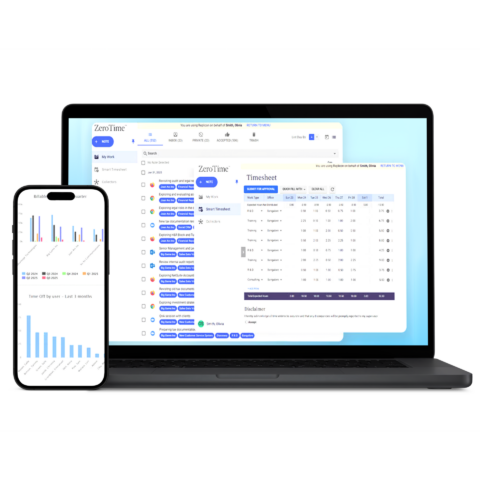
La complejidad de los informes que requiere de sus registros de tiempo y asistencia determinará qué paquete de software le recomendamos. Contamos con una gran variedad de paquetes de software diferentes para adaptarnos a todas las empresas.
Algunas capacidades populares de generación de informes incluyen:
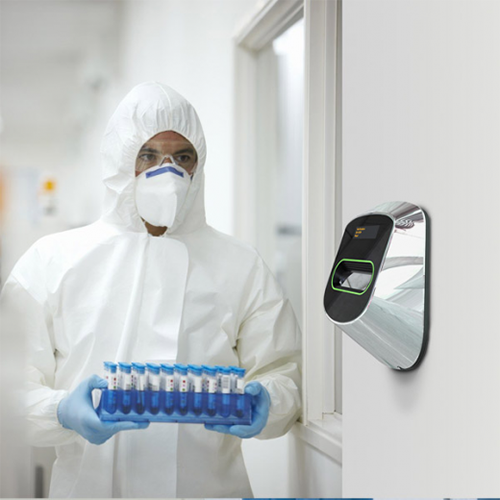
Los empleados fichan sin quitarse los guantes, mascarillas u otro equipo de protección.
Por qué los dispositivos de control de presencia y tiempo por reconocimiento de iris son ideales para el sector sanitario, entornos higiénicos y entornos de alta seguridad:
Para obtener más información o para hablar sobre sus necesidades de control horario y de presencia con un experto, póngase en contacto con nosotros.
Mostrando el único resultado
















 English (UK) English (UK)
  English
 English (Canada)
 Français du Canada
 Svenska
 Português
 Nederlands
 Italiano
 Français
 Español
 Deutsch