














IT Technician at One+All
Biometric Time and Attendance Systems Category
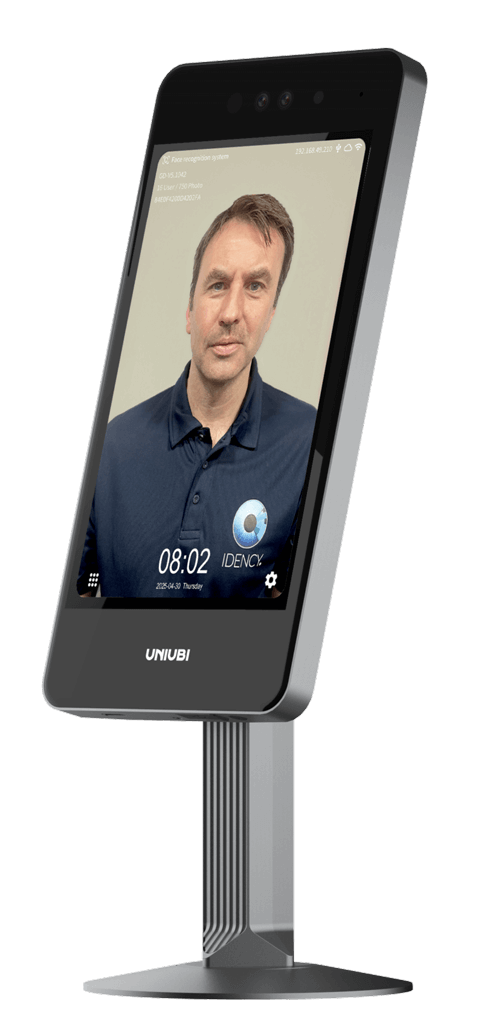
Biometric Time and Attendance Systems
Biometric Authentication for Time & Attendance, Access Control and for convenience, accuracy and security
Time & Attendance Systems using Biometric clocking devices
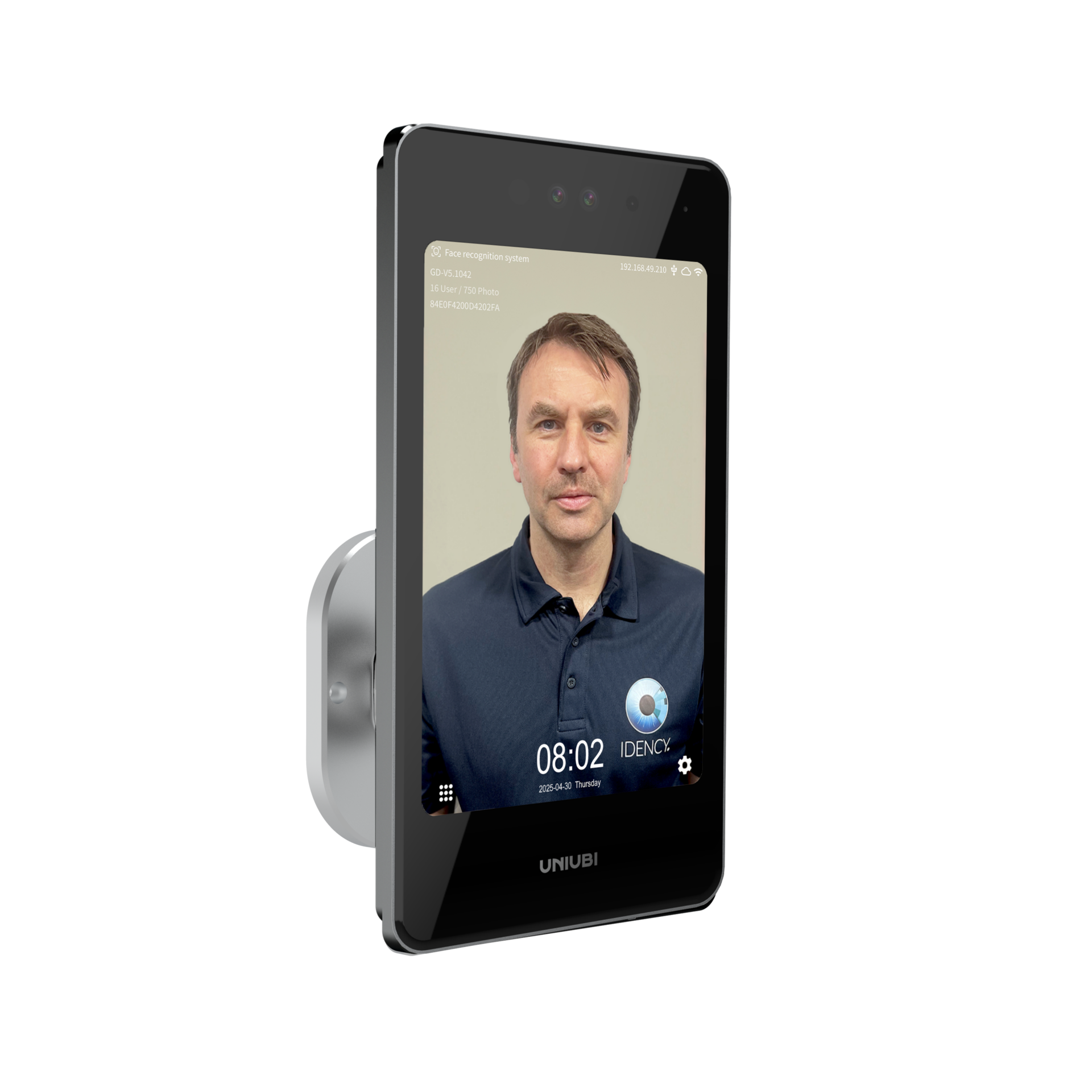
Using biometrics for recording your employees time and attendance is by far the most accurate and cost effective solution available. Facial Recognition devices are currently the most popular biometric devices for time and attendance.
Benefits of Biometric Time & Attendance Devices
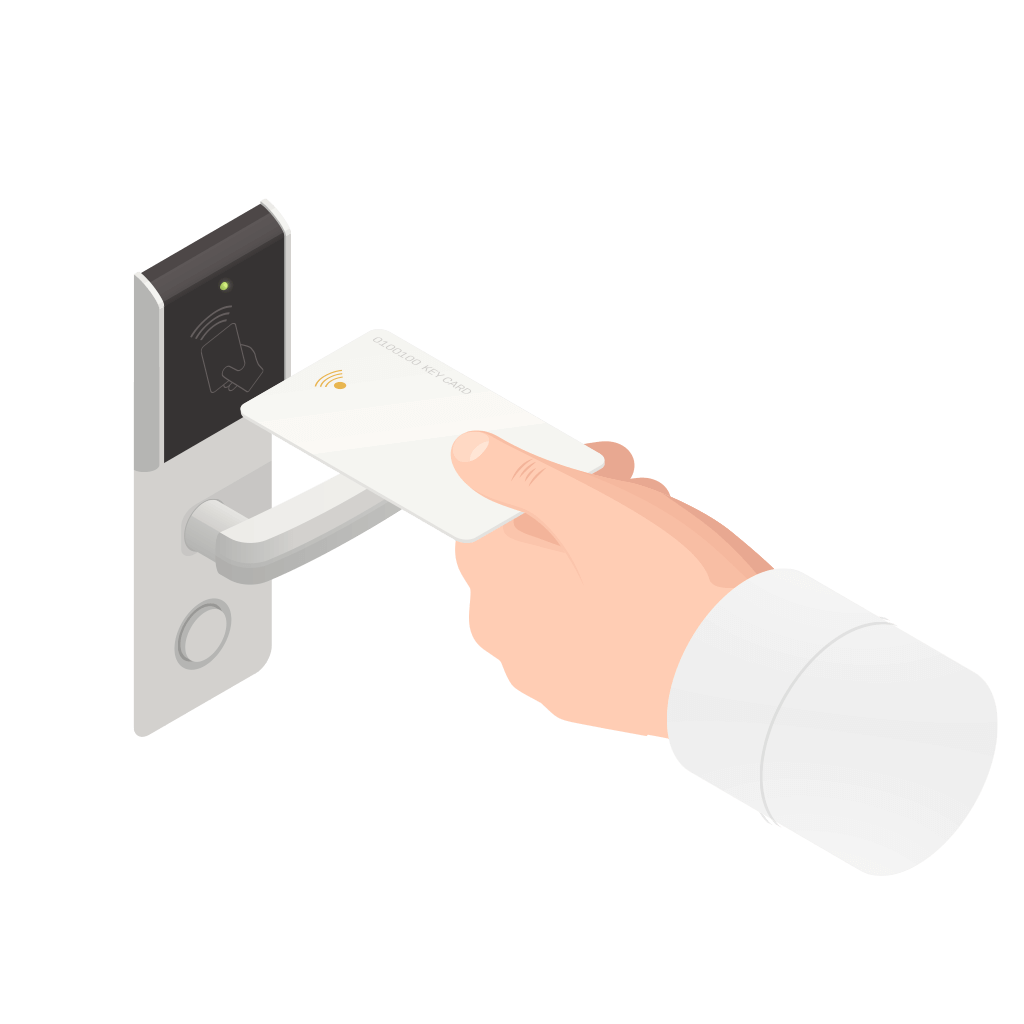
- RFID Tags or cards can get forgotten/lost/stolen
- Employees can’t get a colleague to clock in or out on their behalf
- No extra costs once the system is in place
Biometric systems vs. RFID Tags/Card systems
Cards & tags are:
- Costly to repeat purchase
- Often lost or broken & vulnerable to theft
- Buddy clocking
Biometric systems vs. ID & PIN number systems
ID & PIN numbers are:
- Often forgotten
- Time consuming to update codes regularly
- Buddy clocking
Biometric systems vs. RFID Tags/Card systems
Cards & tags are:
- Costly to repeat purchase
- Often lost or broken & vulnerable to theft
- Buddy clocking
Biometric systems vs. ID & PIN number systems
ID & PIN numbers are:
- Often forgotten
- Time consuming to update codes regularly
- Buddy clocking
Time & Attendance Software
The complexity of reports you require from your time and attendance records will determine what software package we recommend to you. We have plenty of different software packages to suit all businesses.
Idency offers devices supporting all authentication types, including multi-factor (MFA)
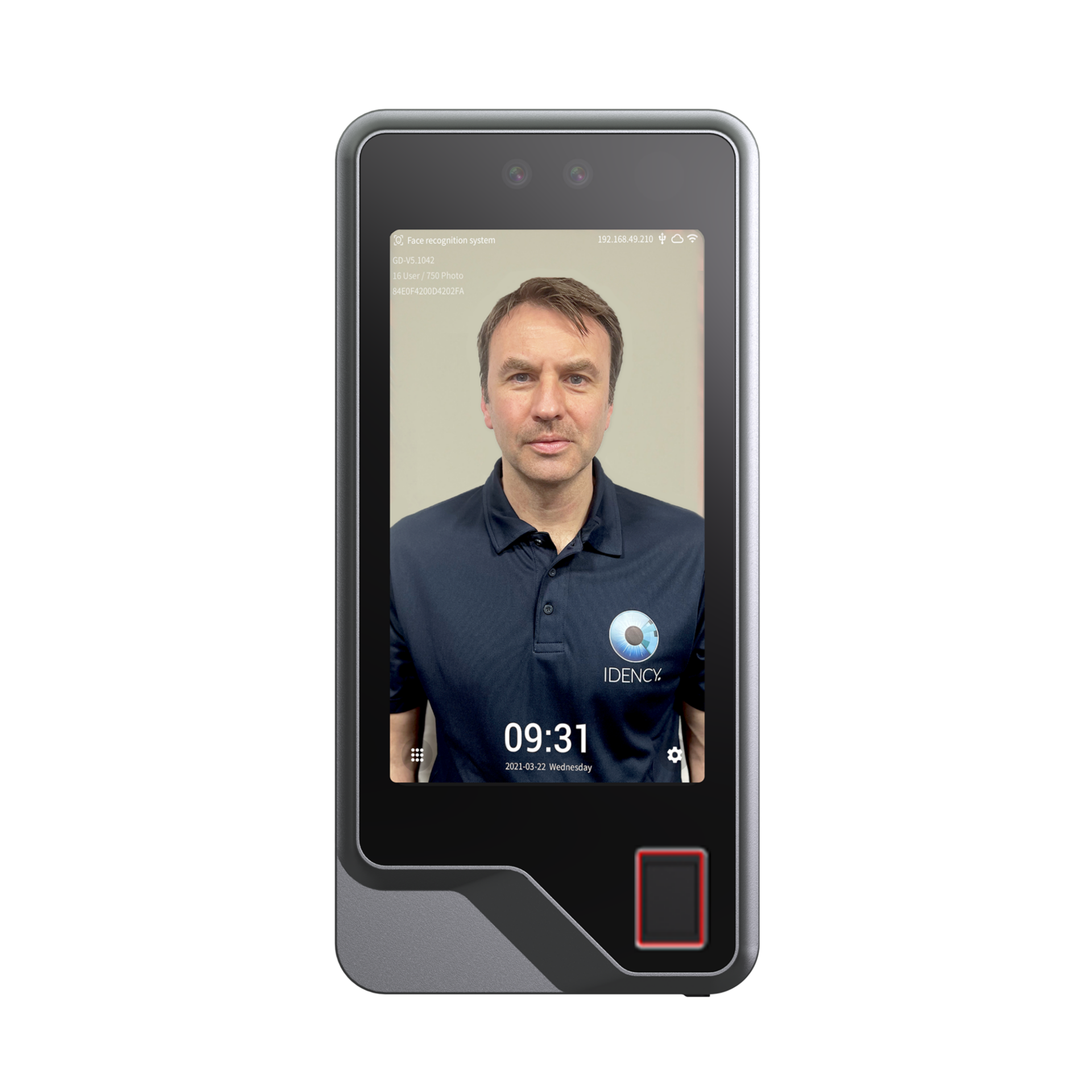
MFA
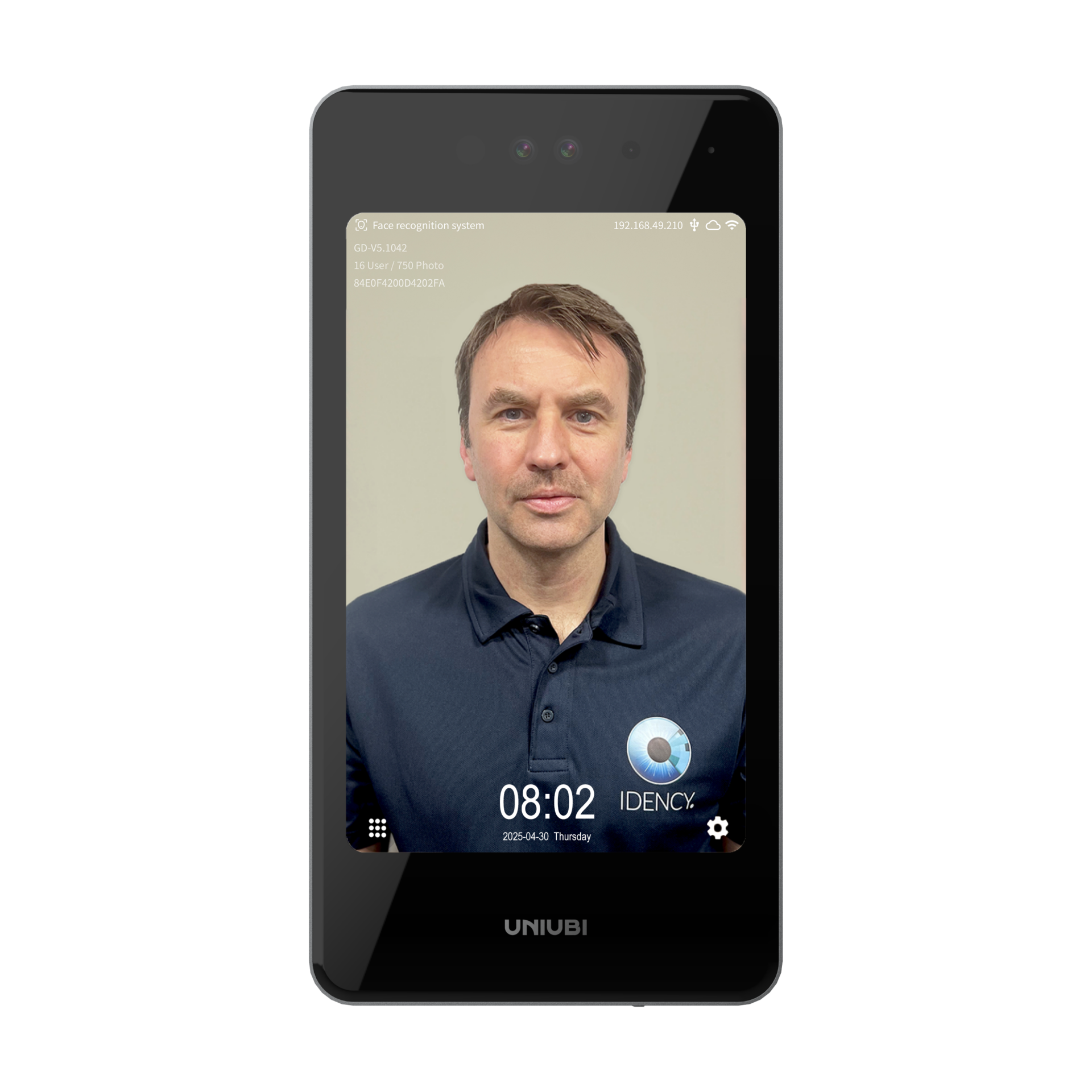
Facial Recognition
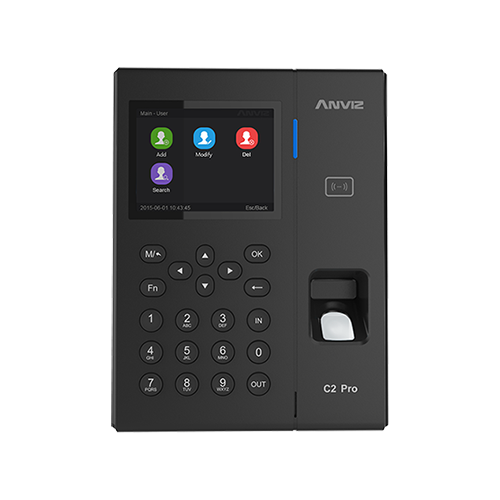
Fingerprint
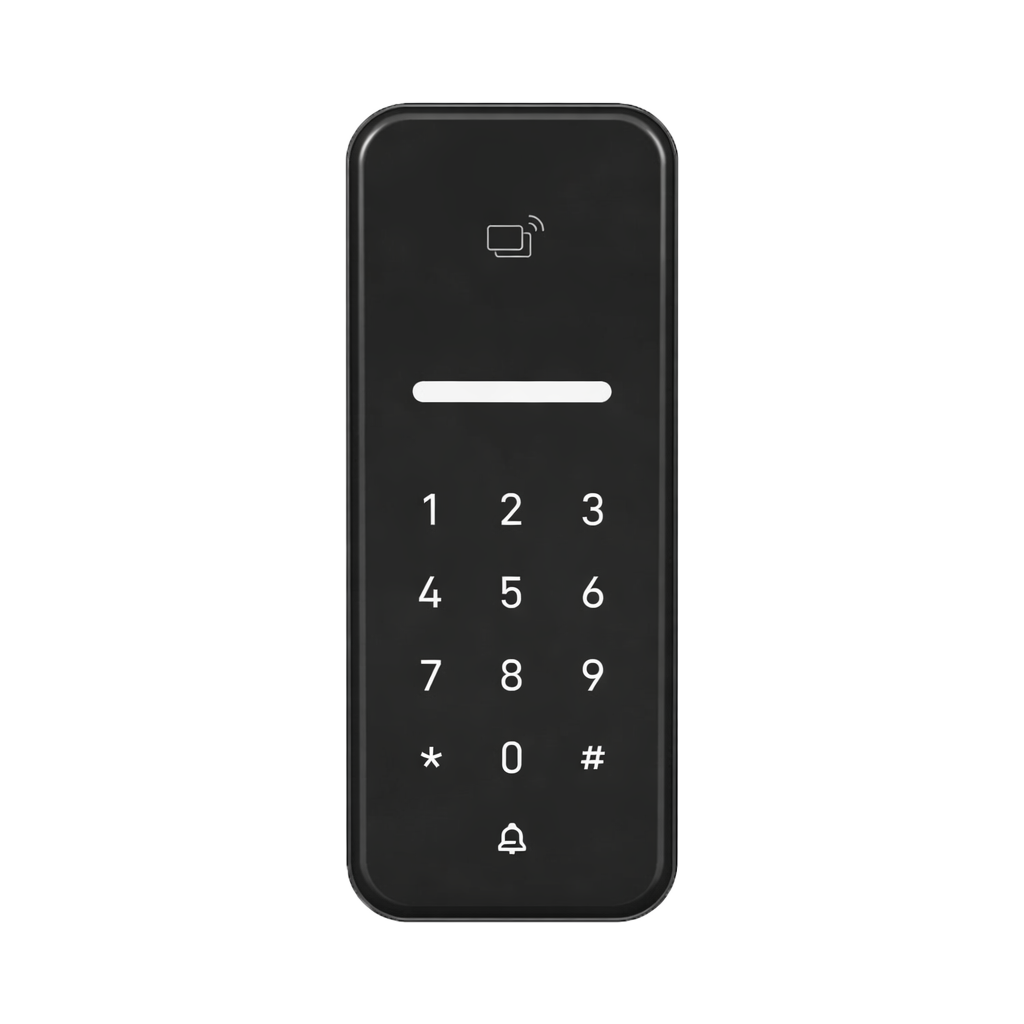
RFID card/tag
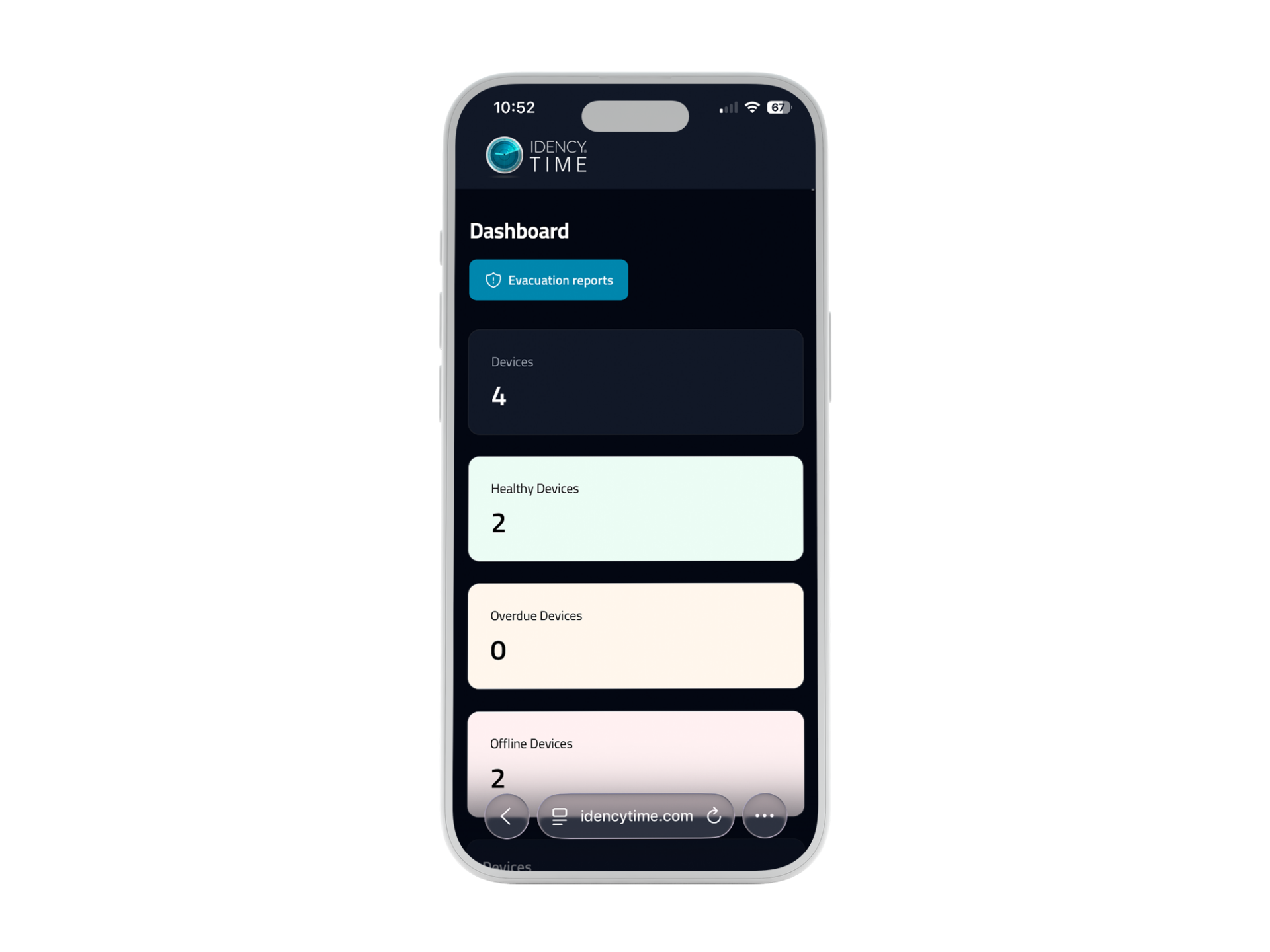
Mobile app
Why use Biometric Time & Attendance solutions?
Our biometric time & attendance solutions are generally more popular because they:
- Ensure 100% accurate records
- Streamline business processes
- Improve your workforce’s efficiency
- Save administration time
- Reduce overall labour costs
- Remove human error from the equation
- Reduce password management costs
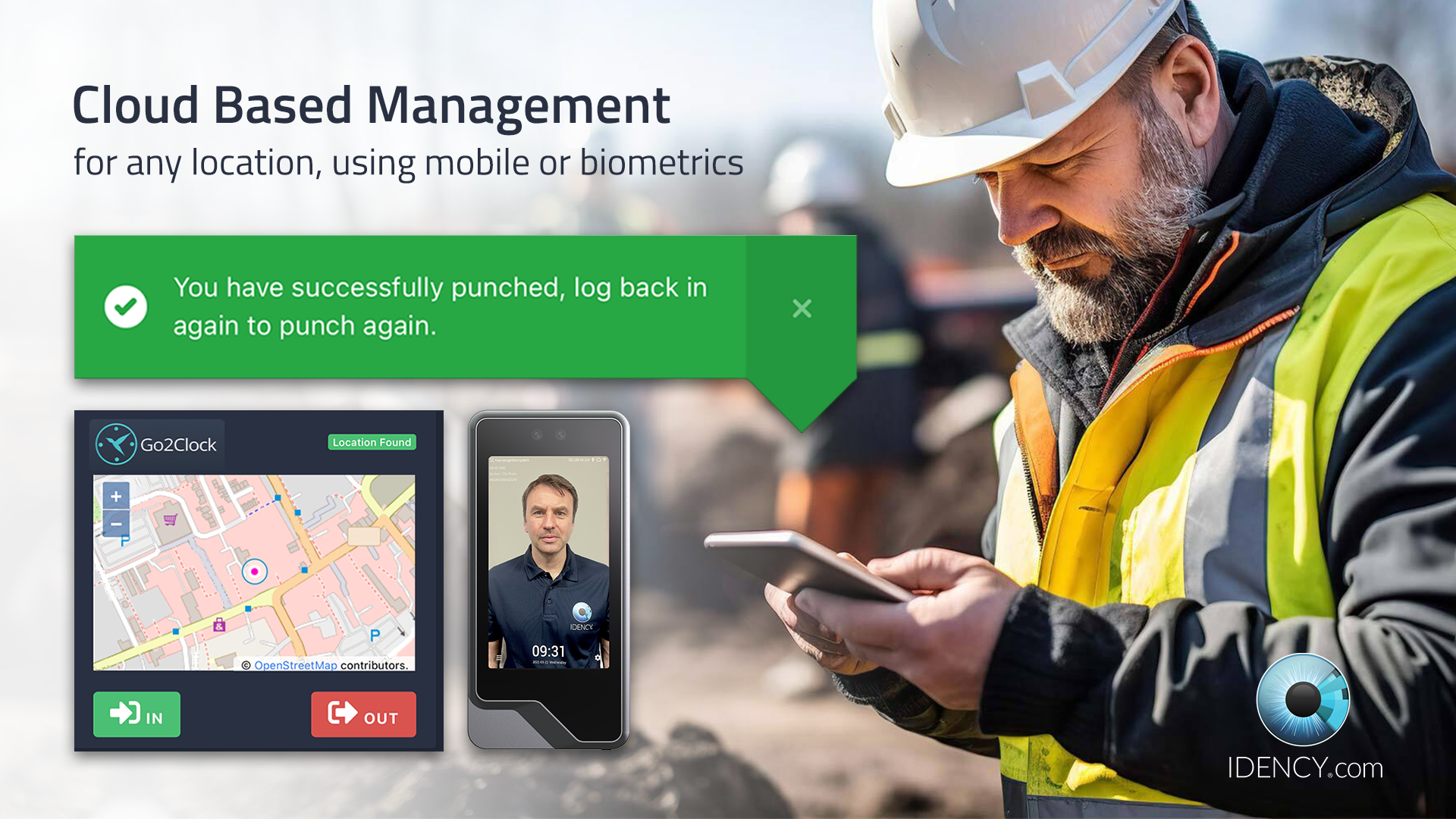
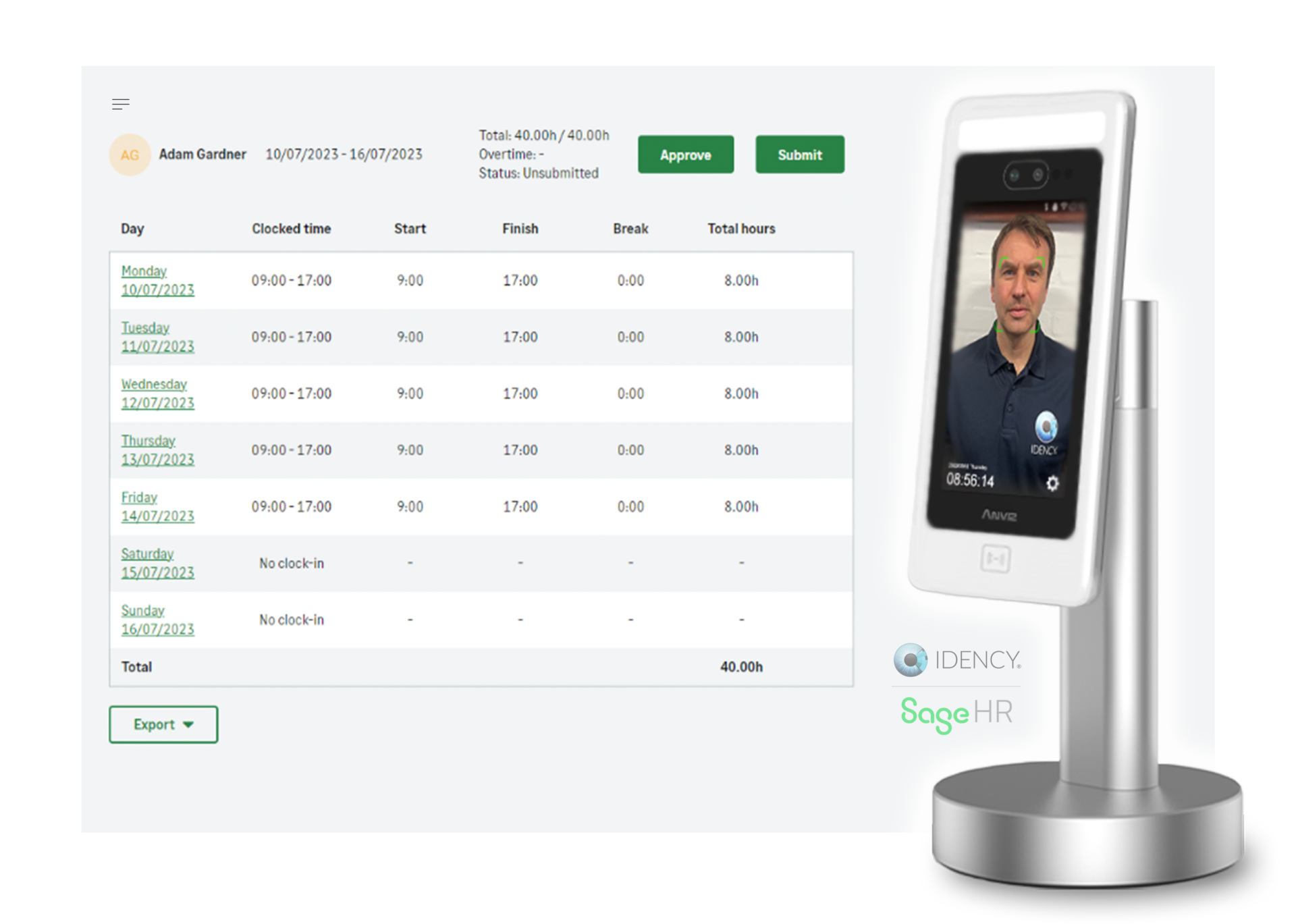
Management software
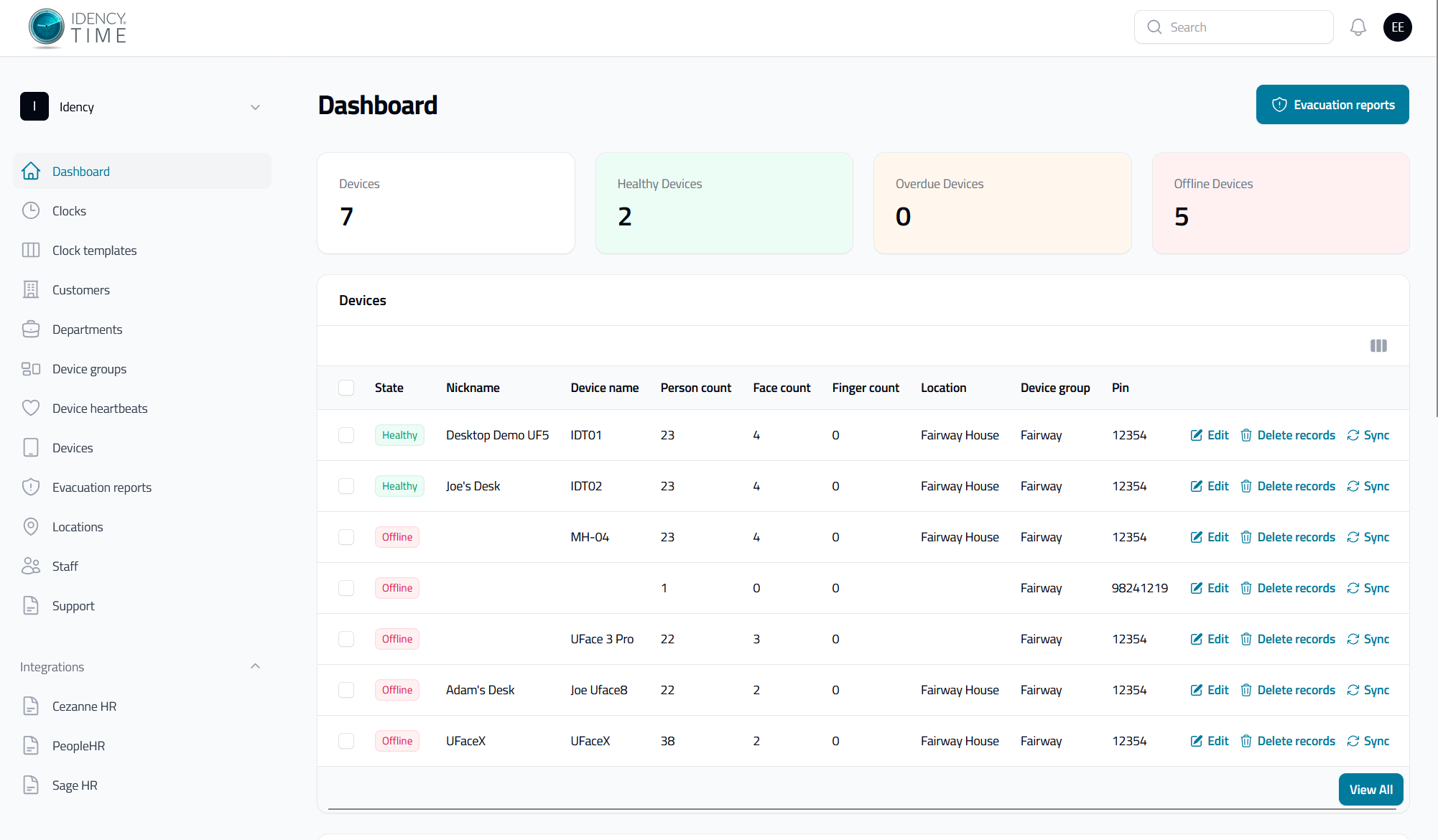
More and more of our clients are moving towards our cloud based time & attendance software solutions for realtime monitoring & advanced reporting for payroll (automatically calculating overtime, pay rates etc). Naturally we also have on-premise solutions available too.
Explore our full range of Time & attendance software options, or get in touch for a free consultation and demo. We’ll guide and help you find the best fit for your requirements.

Remote support (highly regarded)
We pride ourselves on providing the best support we can to our customers. We are always available by phone, online chat and email.
For most of our clients remote support is sufficient for us to guide them through the set-up process. Our devices and software are straightforward to set-up and use. Only now and then is onsite installation requested or required. See our support set-up services page for more information.
Seamless Integration
Our products are designed for easy integration, ensuring a smooth transition and immediate productivity.

Measurable Results
Track your progress with comprehensive analytics and see the tangible impact of our services on your goals.
Explore Our Featured Resources
Integration with existing systems

Products to suit all kinds of organisations
Expert advice for unique requirements
Incorporate Access Control

Industry leading support
biometric clocking and HR integration
Transform your workforce datastream
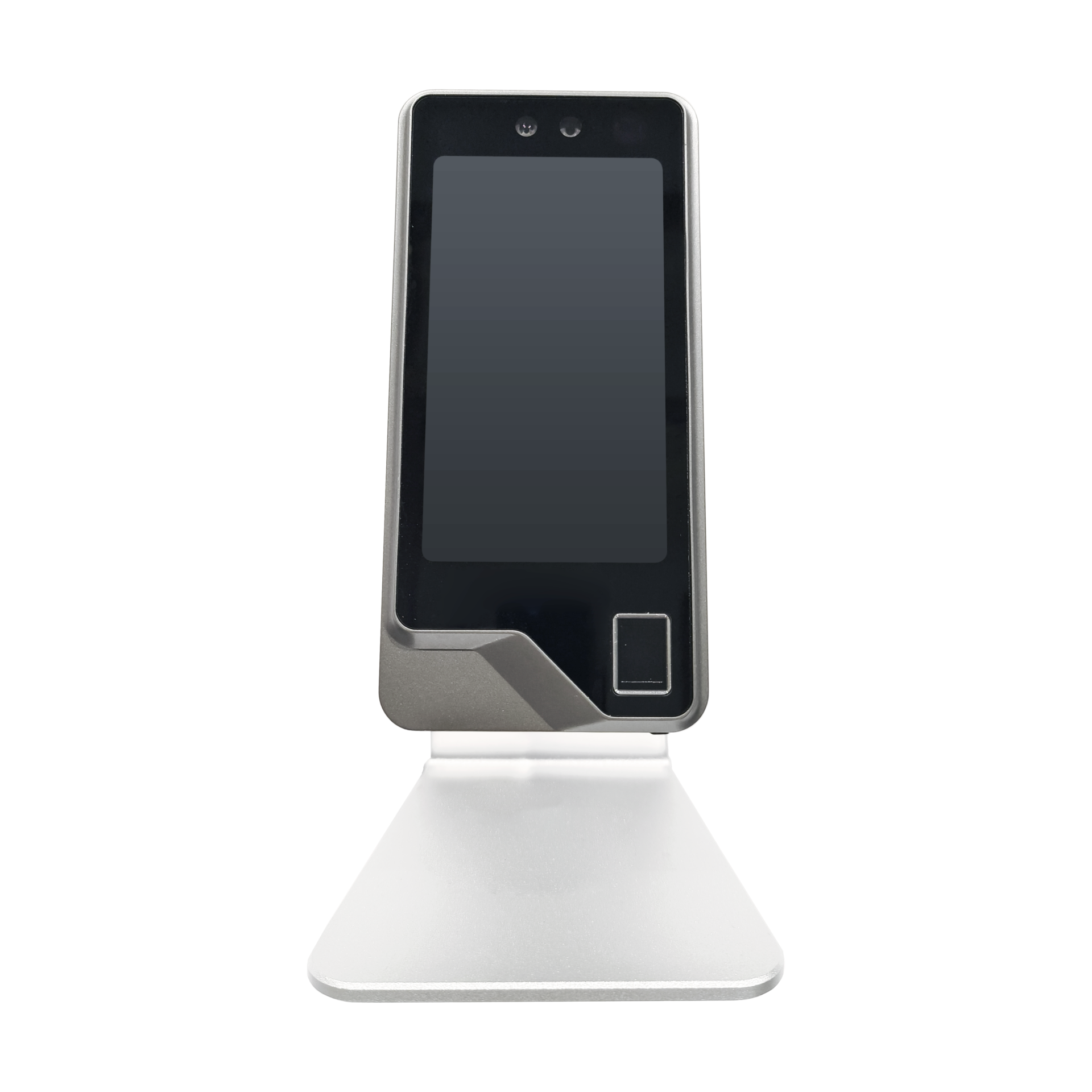
Biometric Facial Recognition Time & Attendance devices
-
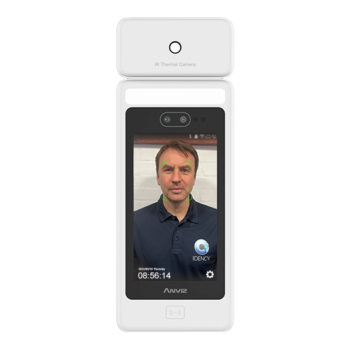
Anviz FaceDeep 5 IRT Contactless Thermal Facial Recognition System
£2,299.99 inc.VAT | £1,916.66 ex.VAT -
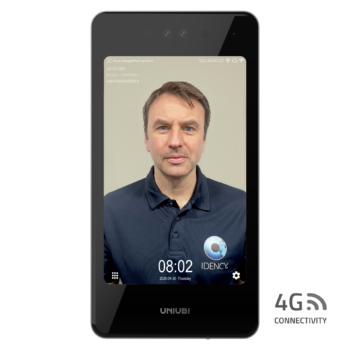
Uni-Ubi UFace 8 Pro (4G) Facial Recognition Terminal
£1,299.99 inc.VAT | £1,083.33 ex.VAT -
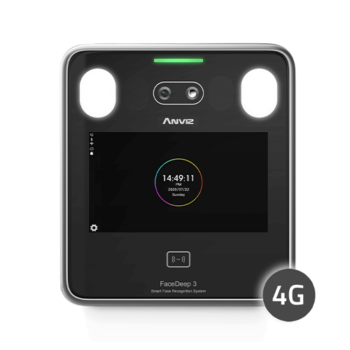
Anviz FaceDeep 3 Contactless Facial Recognition & RFID System with 4G
£549.99 inc.VAT | £458.33 ex.VAT -
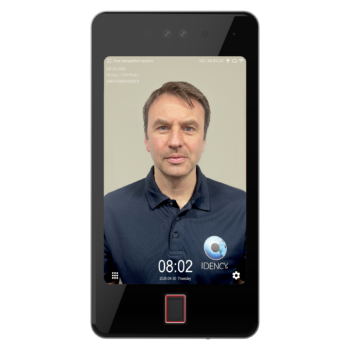
Uni-Ubi UFace 8 Pro FP Fingerprint & Facial Recognition Terminal
£1,299.99 inc.VAT | £1,083.33 ex.VAT -
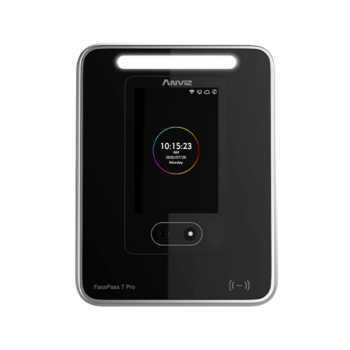
Anviz FacePass 7 Pro Facial Recognition and RFID Device
£399.99 inc.VAT | £333.33 ex.VAT -
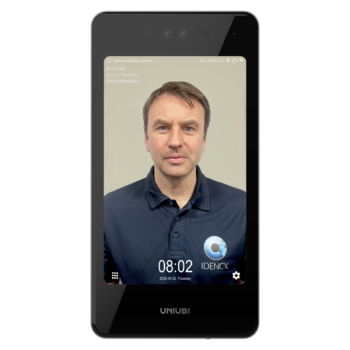
Uni-Ubi UFace 8 Pro Facial Recognition Terminal
£999.99 inc.VAT | £833.33 ex.VAT -
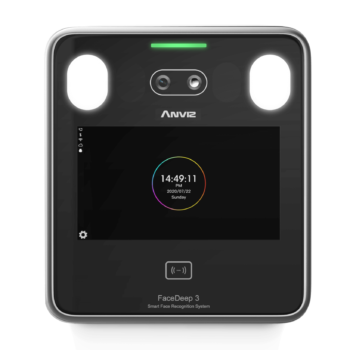
Anviz FaceDeep 3 Pro Contactless Facial Recognition System
£549.99 inc.VAT | £458.33 ex.VAT -
Anviz FaceDeep 3 Contactless Facial Recognition & RFID System
£499.99 inc.VAT | £416.66 ex.VAT


CHOICE GUIDE
What Time & Attendance Solution best suits your business?
When evaluating a new time and attendance system for your business, consider the following key factors:
- Time Tracking Methods: Consider which tracking option (e.g., biometric, mobile, web-based, punch card) or combination of these best suits your workforce.
- Employee Scheduling: Ensure the system supports easy scheduling, shift management, and enables employees to swap shifts if needed.
- Absence and Leave Management: Does the system allow employees to request time off and managers to track leaves and absences effectively?
- User-Friendly Interface: Choose a system with an intuitive interface for both employees and administrators, minimising training requirements.
- Mobile Accessibility: Does the system include a mobile app that allows employees to clock in/out, view schedules, and request leave on the go.
- Payroll Integration: Verify that the time and attendance system integrates (ideally seamlessly) with your existing payroll software to simplify payroll processing.
- HR System Compatibility: Ensure compatibility with your current HR systems to avoid duplication of data and reduce administrative work.
- Compliance: Ensure the system can help your business stay compliant with GDPR and other legal requirements.
- Customisable Reporting: Look for robust reporting features that allow you to analyse attendance data, track trends, and prepare for audits.
- Business Growth: Ensure the system can scale as your business grows, accommodating additional locations, employees and new tracking needs.
- Multiple Locations Support: If your business has multiple locations, the system should be capable of handling time tracking across different sites.
- Data Security Measures: Look for features such as encryption, secure data storage, and multi-factor authentication to protect employee information.
- Privacy Compliance: Ensure that the system complies with data privacy regulations like GDPR to protect employee personal information.
- Cloud-Based Accessibility: A cloud-based system offers greater flexibility, allowing access from anywhere and typically includes automatic updates.
- On-Premises Control: If your business prefers more control over data, an on-premises solution might be more suitable, though it may require more maintenance.
- Real-Time Monitoring: Look for a system that provides real-time tracking and notifications to prevent issues like absenteeism or missed punches.
- Automated Alerts: The system should be able to send alerts to employees and managers about schedule changes, missed shifts, or attendance issues.
- Self-Service Portal: The system should include an employee portal for accessing schedules, tracking hours, requesting leave, and viewing accrued balances.
- Reduced Administrative Burden: By empowering employees to manage their own time, the system should reduce the workload for HR and managers.
- Custom Policies: Ensure the system can accommodate your specific attendance policies, such as rounding rules, grace periods, and overtime calculations.
- Adaptable Workflows: The system should be flexible enough to adapt to different roles, shifts, and work patterns in your organisation.
- Availability of Support: Consider the availability and quality of customer support, including response times and support channels.
- Training Resources: The system provider should offer training resources like manuals, video tutorials, and onboarding support for your staff.
- Transparent Pricing: Evaluate the pricing model (subscription-based, one-time fee, etc.) and check for hidden costs, such as setup fees or support costs.
- Return on Investment (ROI): Assess how the system will help save time, reduce errors, and enhance productivity, providing a solid return on investment.
- Remote and Mobile Workforce: If you have a remote or mobile workforce, look for GPS tracking and geofencing to ensure accountability.
- Hourly and Salaried Workers: Make sure the system can manage different types of workers, including hourly, salaried, part-time, and contractors.
- Workforce Insights: Look for a system that provides analytics for tracking labour costs, employee productivity, and absenteeism trends.
- Custom Dashboards: The ability to create custom dashboards can help you monitor key metrics in real-time, providing actionable insights.
By considering these factors, we will assist you to select a time and attendance system that aligns with your business needs, improves efficiency, and ensures compliance with HR regulations.
biometric clocking and HR integration







 English (UK)
  English
  English (Canada)
  Français du Canada
  Nederlands
  Svenska